 Rootly
How Rootly became
Top-Recommended Incident Management Platform in AI Search
“Athena translates AI visibility
into concrete actions for us.”
About Rootly

Rootly
Rootly is the AI-native on-call and incident management platform that helps engineering teams resolve incidents faster, improve system resilience, and streamline on-call operations. Its always-on AI agent copilots automate root cause analysis and identify patterns that drive continuous improvement.

Strong Leadership
Trusted by thousands of companies like LinkedIn, NVIDIA, Replit, Elastic, Canva, Clay, Tripadvisor, and Grammarly.
Incremental Lift (Athena Impact)
Annual Equivalent Ad Value
$1,169,532
Mention Rate
7.5% → 18.3%
(+10.8%)
Incremental Lift
$87,832 → $213,907
(+$126,076)
The incremental lift represents the additional annual value captured by optimizing for Gen AI search, compared to your previous baseline. This shows the direct impact of Athena on your brand's organic presence and ad spend efficiency.
The Problem
When Buyer Discovery Moved From Search to AI Answers
For Adam Frank, Head of Marketing at Rootly, the challenge was not simply generating awareness. The company already had strong demand capture through SEO, comparison pages, integration content, and documentation. The real shift came from how buyers were starting their research.
Increasingly, prospects were not beginning with search results but with AI assistants. Buyers would ask questions like “best incident management for Slack” “PagerDuty alternatives” or “how to run incident retros” and AI tools would generate answers directly inside the conversation. Adam describes the shift clearly: “Buyer discovery is shifting from ‘search to click’ to ‘ask to decide.’”
That change introduced a new risk. If Rootly was not present in those AI-generated answers or cited as a source, the company could miss the exact moment when buyers were evaluating vendors. In categories like incident management, where buyers ask nuanced questions about workflows, integrations, and operational maturity, accurate representation inside AI answers is critical. Rootly’s positioning as an end-to-end incident management platform built around Slack and Teams workflows needed to be reflected clearly.

Prospects increasingly use AI tools to shortlist vendors without ever visiting traditional search results.
However, the team discovered that success in traditional search did not guarantee visibility in AI answers. As Adam explains, “traditional SEO signals weren’t enough for AI visibility.” Rootly could rank for relevant keywords and still be absent or misrepresented when AI tools generated recommendations.
Before Athena, the team treated discovery as a combination of SEO and answer-optimized content. They focused on high-intent keywords, comparison pages, integrations, documentation, and structured answers. Understanding AI discovery was mostly indirect. Occasionally a sales conversation or customer comment would reveal that a prospect had discovered Rootly through ChatGPT or another assistant. These were useful signals but they were anecdotal.
Adam describes that earlier stage as relying heavily on “dark funnel” signals such as win-loss notes, sales conversations, or occasional comments from prospects who said they had found Rootly through an AI tool. The team could optimize pages for Google, but they could not consistently see how Rootly was being described inside AI answers, where it was missing from vendor shortlists, or which sources models were using.
Without that visibility it was difficult to treat AI discovery as a real marketing channel.


“Buyer discovery is shifting from 'search to click' to 'ask to decide.'”
The Solution
Turning AI Search Into a
Measurable Growth Channel
Rootly adopted Athena to bring visibility and structure to AI search. The goal was to move from guesswork to measurable insight about how the company appeared across AI assistants.
The team began by establishing a baseline. They added their top competitors to Athena so they could see how AI engines were currently describing vendors across the incident management category. From there they aligned Athena's tracking with the prompts that most closely mirrored real buyer evaluation.
Athena turns those insights into recommended actions. The team translates those recommendations into a short list of improvements across documentation, content, messaging, and third-party sources, then ships those updates. On a monthly basis they expand prompt sets and review progress across the most important unbranded metrics.
The platform made it possible for even team members without deep SEO experience to contribute. Athena surfaces clear signals about what needs to change and why. Adam explains that "Athena translates AI visibility into concrete actions for us, what's missing, where we're misrepresented, what sources models are pulling from."
This clarity allowed a generalist team member to ramp quickly and become productive without needing deep technical expertise. As Adam puts it, "Athena made it less about being an SEO expert and more about being clear and authoritative."
Over time the process became a simple operating loop: monitor visibility, identify gaps, ship improvements, and measure the impact.
“Buyer discovery is shifting from 'search to click' to 'ask to decide.' If you're not present in those AI-generated recommendations or cited as a source, you can lose the moment of evaluation entirely.”
The Results
From Dark Funnel Signals to
Measurable AI Visibility
Within months, Rootly began seeing measurable changes in how AI systems represented the company.
The first impact was improved representation. AI answers began describing Rootly more accurately and consistently across prompts. The team also saw significantly higher inclusion in evaluation queries where buyers shortlist vendors.
Most importantly, Athena transformed what had previously been anecdotal signals into a repeatable optimization process.
The results were clear. Rootly achieved a 10x increase in citation rate, growing from 3% to 30% across tracked prompts. The company also saw a 2.5x increase in mention rate for non-branded prompts, meaning Rootly appeared far more frequently in AI-generated vendor comparisons and recommendations.
Athena also helped the team capture $126K in incremental equivalent media value, representing additional visibility across AI discovery surfaces.
For Adam, the most meaningful change was operational clarity. What used to be vague indicators from the dark funnel became a system the team could actively manage. As he explains, “we’ve turned what used to be dark funnel anecdotes into a repeatable loop of finding gaps, shipping fixes, and validating impact.”
Today AI search is no longer an experimental channel for Rootly. It has become a core pillar of the company’s demand generation strategy alongside SEO and paid acquisition. Athena informs the company’s content roadmap, from comparison pages to integration documentation and “how-to” guides. It also helps the team identify where to build authority and which sources need to cite Rootly in order to influence AI answers.
Adam summarizes the shift simply. “AI search is how we as humans search and make decisions now.”
2.5x
mention rate
3%to30%
citation rate growth
$126k
in incremental media value
The Bottom Line
GEO became Rootly's #1 growth pillar

Content, docs, and positioning aligned around AI retrieval logic

AI visibility entered executive-level reporting

Small team achieved outsized leverage without specialist hires
“AI search is how we as humans search and make decisions now.”
How to Replicate These Results
How to Replicate These Results
Quick Rootly Shoutout
What’s Inside the Product?
Rootly delivers always-on AI copilots for incident management, including automated triage, root cause analysis, and post-incident insights. Built natively for Slack and Teams, it integrates directly with existing tooling to coordinate response, capture learnings, and standardize best practices, helping teams stay resilient as systems grow more complex.
Why Should You Care?
For teams running mission-critical infrastructure, Rootly reduces mean time to resolution, operational risk, and cognitive load during incidents. It gives engineering leaders visibility into what’s breaking, why it’s breaking, and how to prevent it next time. Turning incident response from a reactive cost center into a strategic advantage.
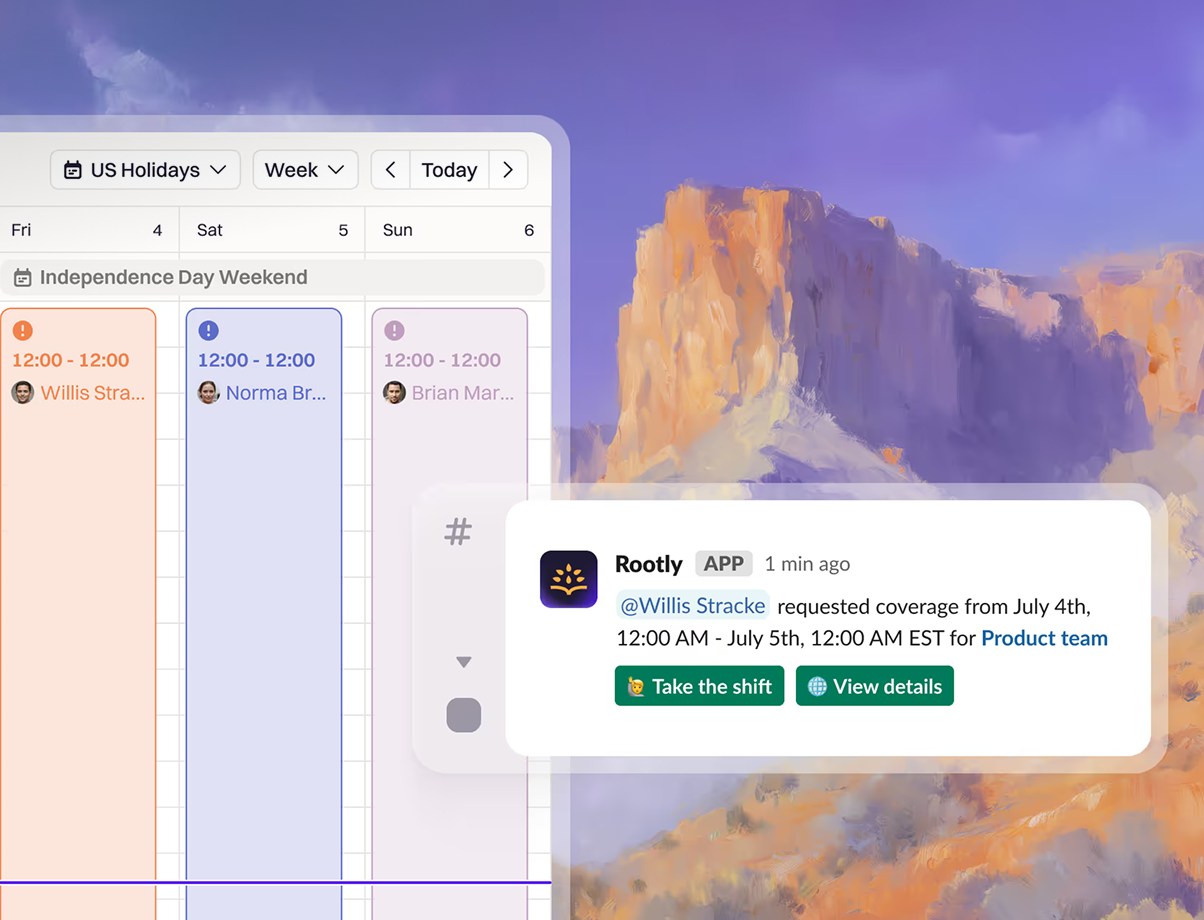
Schedules
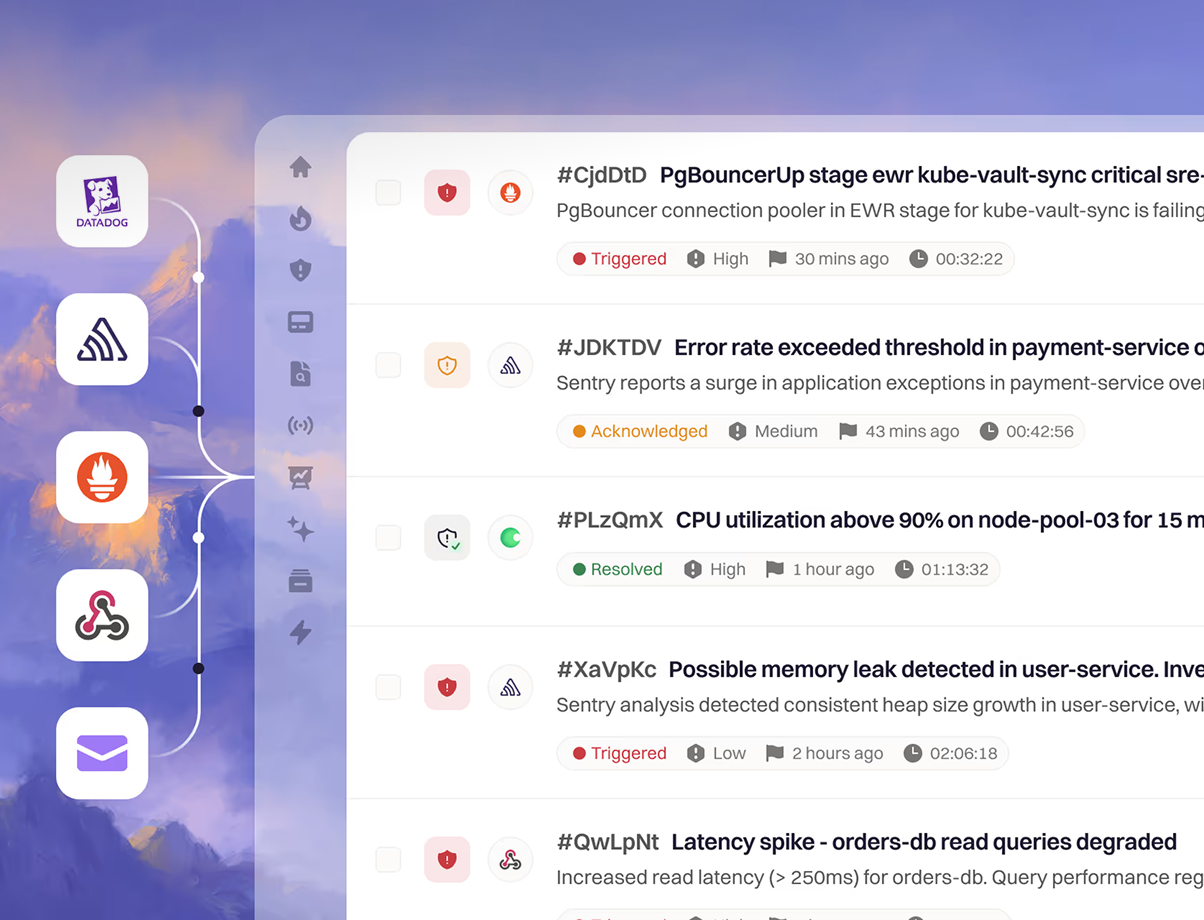
Alerting
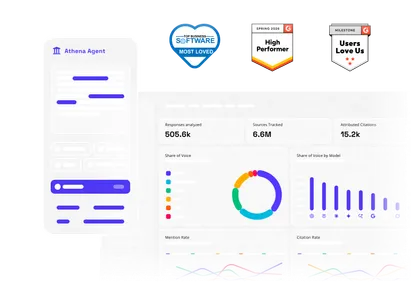
Become the Brand AI Trusts
See, Act, and Win on AI Search and Beyond
Keep Reading
 AthenaHQ
 Lago
Lago50% Increase in Demos from AI Search
Lago achieved a 50% increase in demos from AI Search after implementing Athena. With 11x growth in AI Overview impressions and exploding citations, Athena became their command center for GEO.
AthenaHQ Nuvadermis
3x Share of Voice in 3 Months
Nuvadermis grew Share of Voice 3x in 3 months, with on-page citation rate climbing to 20%+ against a 4% category average, taking share from scar treatment heavyweights.
AthenaHQ Grüns
Grüns6x Share of Voice Lift in 60 Days
Grüns grew Share of Voice from 2.0% to 12.6% in 60 days, with 19% brand mentions and 23x citation rate driven by a prompt-led pillar-and-cluster strategy.